
Add Row
Add Element
cropper
update

Provider Impact

update
Add Element
  • Home
  • Categories
    • Medicare + RTM
    • Pharmacy Insights
    • Provider Spotlights
    • HR & Staff Benefits
  • Featured Business Profiles
April 30.2025
3 Minutes Read

Why Reversing Funding Cuts for Biomedical Research is Crucial for the Future

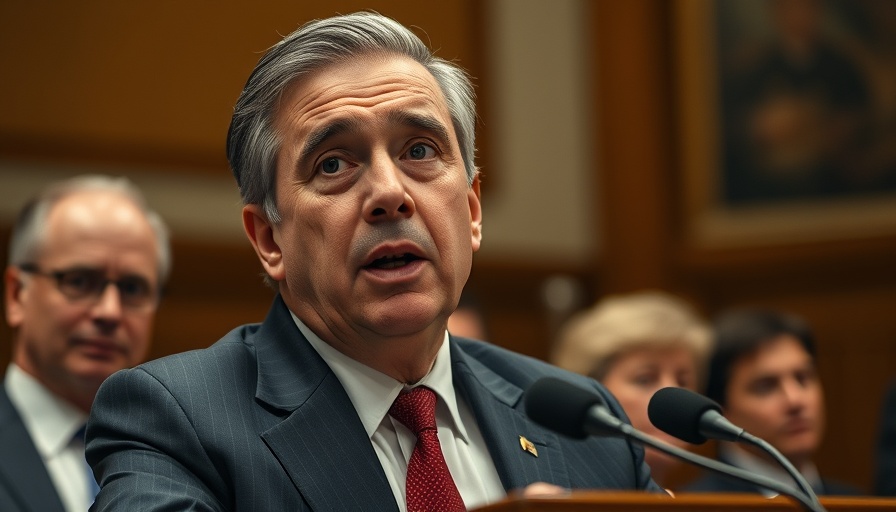
Politician discussing reversing funding cuts for biomedical research.

The Urgency of Supporting Biomedical Research

In a powerful moment during a recent Senate hearing, Sen. Susan Collins (R-Maine) articulated a compelling case for reversing proposed funding cuts to biomedical research, reminding us of America's historic leadership in scientific innovation and medical breakthroughs. "There is no investment that pays greater dividends to American families than our investment in this research, which can lead to lifesaving and life-enhancing discoveries," she emphasized, highlighting over 600 new cancer treatments made possible by previous investments.

The Risks of Funding Cuts

However, she cautioned that these advances are at risk from funding cuts and administrative changes. Collins pointed to a troubling 15% cap on indirect costs for NIH grants, which she believes could undermine institutions depending on such support. "The cancellation of essential grants and layoffs in the research community add to an uncertain situation for scientific advancement," she warned, noting that such cuts could jeopardize the foundational elements of progress in healthcare.

Support for Biomedical Research Across the Aisles

Sen. Patty Murray (D-Wash.) echoed Collins' sentiments, characterizing Trump-era policies as detrimental to biomedical research. She stated emphatically that significant fund slashes—some totaling over a billion dollars—jeopardize vital research for pressing health issues, including HIV prevention and chronic diseases like Alzheimer's and diabetes. Murray vehemently argues that these cuts would not only stagnate current research but could ultimately set progress back decades.

Counter Perspectives: Overhead Cost Concerns

While the majority of committee members expressed support for continued NIH funding, not all views aligned. Sen. John Kennedy (R-La.) questioned whether the current funding allocation practices manage overhead costs effectively. His concerns point to a necessary debate on optimizing funding for biomedical research while ensuring rigorous standards for what constitutes necessary expenditures in research settings.

Administrative Challenges and Their Implications

The imposition of rigid cost caps on NIH grants presents a significant challenge, particularly when research costs are adaptable and may vary widely depending on institutional needs. This one-size-fits-all mentality can stifle innovative projects with unique requirements. It's crucial for researchers and policymakers alike to advocate for a nuanced understanding of funding that reflects the complex realities of biomedical research.

Community Impact and Future Directions

The debate over NIH funding is not just a bureaucratic issue; it has profound implications for communities across the country. From the small lab discovering the next big treatment to universities training the next generation of healthcare leaders, every dollar is critical. With the potential for over $21 billion in cuts looming, the stakes couldn't be higher for individuals dependent on these advancements—communities that span every demographic and geographic region.

Moving Forward: Actionable Insights for Providers

Health professionals, researchers, and policy makers must unite in advocacy for robust funding strategies that prioritize patient-centered care and medical research. Collectively, we can promote a healthcare ecosystem that not only acknowledges these urgent needs but actively funds them. Engaging in concerted advocacy efforts can help ensure sustainable investments in biomedical research continue to provide dividends for future generations.

In light of these discussions, it's essential for healthcare professionals to stay informed about ongoing policy changes and initiatives impacting research funding. By subscribing to MedPage Today's healthcare news., practitioners can access the latest insights and advocate effectively for their communities.

Provider Spotlights

7 Views

0 Comments

Write A Comment

*
*
Related Posts All Posts
02.22.2026

Navigating the Challenges of Hospital Closures: What It Means for Rural Healthcare

Update The Ripple Effect of Hospital Closures on Rural CommunitiesThe recent announcement of two significant hospital closures in just one week signifies more than just the end of an era for local healthcare services. It shines a light on a nationwide epidemic where financial strain leads to dwindling resources in rural hospitals. The closure of Regency Hospital-Meridian, a long-term acute care facility in Mississippi, and Bradford Regional Medical Center in Pennsylvania serves as a stark reminder of the operational challenges threatening healthcare access, particularly for vulnerable populations in rural areas.Understanding the Financial Pressures on HospitalsThe financial dynamics behind the closure of these facilities can often be traced back to changes in healthcare funding policies, particularly those affecting Medicare and Medicaid. As noted by Kaleida Health’s president, Don Boyd, federal funding cuts alongside long-standing financial pressures not only impact operational capabilities but also influence strategic decisions about care models. For instance, the transition from inpatient to outpatient models illustrates an essential shift in how health systems aim to maintain viability against looming deficits.Rural Healthcare in Crisis: A Broader PerspectiveHistorically, rural hospitals have faced unique challenges due to their small patient populations and limited revenue capabilities. The Commonwealth Fund highlights that over 400 rural hospitals are currently at risk of closure, exacerbated by reimbursement challenges and policy changes targeting Medicaid. Surprisingly, 55% of Medicaid enrollees in rural areas are employed either part- or full-time but still lack adequate insurance coverage through their jobs, deepening the need for accessible services. With reimbursement rates typically lower for rural hospitals, their financial sustainability hangs by a thread.The Role of Funding Policies in Hospital SustainabilityChanges in national health policy are pivotal to understanding the precarious position of these institutions. For years, key financial support mechanisms such as the Enhanced Premium Tax Credits have underpinned rural hospital finances. With these supports waning, hospitals are in jeopardy of losing millions in revenue. The 2025 budget proposals portend further cuts, potentially crippling already fragile hospital finances. The situation merits urgent attention from policymakers dedicated to rural health.Innovative Solutions: A Path ForwardDespite the bleak outlook, there is room for innovation. Leveraging practice automation and patient engagement tools could enhance operational efficiencies while reducing costs for healthcare providers. For instance, integrating remote therapeutic monitoring (RTM) programs can create additional revenue streams while fostering patient loyalty. Furthermore, optimizing practice revenue with tools tailored for small practices may alleviate some financial burdens.Impact on Community Health ServicesAs hospitals in rural areas close, the resultant gap in service delivery falls heavily on nearby urgent care clinics and community health centers. Unfortunately, these alternatives cannot offer a full range of services typically provided by hospitals. A clear understanding of these changes is critical for primary care providers, from independent pharmacies to family practice doctors, who must adapt to shifting patient dynamics in their communities. This not only impacts patient access but also the types of health services provided.Preemptive Action for Healthcare ProvidersIndependent healthcare providers should consider proactive measures to navigate these turbulent waters. Developing partnerships with local health systems can enhance service offerings while also improving patient access. Additionally, exploring insurance options that offer better reimbursement rates or diversifying services can prove beneficial in maintaining essential care for communities. Collaboration among healthcare professionals becomes vital as they address the rising demands placed on healthcare systems and increasingly limited resources.Conclusion: A Call for Community ActionThe ongoing hospital closures demonstrate an urgent need for strategic community action and policy advocacy. They call for healthcare providers to unite in seeking better support mechanisms while investing in programs that ensure safer transitions during these changes. It’s essential to work as a cohesive unit to not only address the immediate impacts of these closures but to also advocate for sustainable solutions that truly benefit the communities they serve. For all healthcare professionals, the time to engage and collaborate is now. Your community's health depends on it.

02.22.2026

Transforming Patient Care: HCA Houston's New Chief Nursing Officer Heather Ash

Update HCA Houston Healthcare Welcomes New Chief Nursing OfficerThe appointment of Heather Ash, MSN, RN, as the Chief Nursing Officer (CNO) of HCA Houston Healthcare Medical Center marks a pivotal moment for the institution. Ash, who officially began her role on January 18, 2026, brings nearly two decades of comprehensive nursing leadership to this critical position. With a strong background that includes her recent tenure as Assistant CNO at Methodist Children’s Hospital in San Antonio, Ash aims to enhance patient care initiatives while fostering a culture of operational excellence within the healthcare facility.The Experience That MattersHeather Ash's career spans over 19 years, during which she has become known for her commitment to high-quality, patient-centered care. Her leadership experiences provide a wealth of knowledge that will be instrumental in advancing nursing practices at HCA Houston Healthcare Medical Center. Ash's track record includes successful patient care operations and innovative strategies that prioritize both patient experience and nurse engagement.With a Bachelor of Science in Nursing from Saint Petersburg College and a Master of Science in Nursing Leadership and Management from Western Governors University, Ash embodies the ideal balance of education and practical experience. This foundation not only equips her for her new role but also positions her as a leader in the evolving landscape of healthcare.Driving Patient Engagement and Nursing ExcellenceHCA Houston Healthcare Medical Center, a 372-bed facility, is at the forefront of delivering exceptional healthcare. Under Ash's leadership, the focus on patient engagement tools and nursing excellence is set to grow, enhancing the relationship between nursing teams and the communities they serve. Her passion for leadership development will also encourage the growth of nurse leaders within the organization.Robert Sabina, CEO of HCA Houston Healthcare Medical Center, expressed his enthusiasm for Ash's appointment, emphasizing her capability to strengthen the hospital's mission. He noted, "Heather’s experience and commitment to visible executive nursing leadership will enhance our ability to deliver outstanding care and foster meaningful connections between our nursing teams and patients." This statement symbolizes a shared vision for the future of patient care and organizational success.The Importance of Retention StrategiesAs healthcare systems face increasing turnover rates, Ash's experience will play a vital role in developing strategies that not only attract talent but also prioritize medical staff retention. Experienced leaders like Ash understand the profound impact that nurse turnover can have on patient care and organizational stability. As she implements her insights into employee health benefits, the hospital stands to benefit from a more engaged and satisfied nursing staff, ultimately leading to a better patient experience.Technological Integration in NursingIn addition to improving nursing engagement and patient experience, Ash is keen on leveraging healthcare automation and practice efficiency solutions. As the industry turns increasingly toward technology, tools like remote therapeutic monitoring and voice AI agents are critical. These innovations not only streamline medical office workflows but also ensure compliance with healthcare regulations, allowing nurses to focus more on patient care rather than administrative tasks.HCA Houston Healthcare Medical Center is poised to incorporate such technologies under Ash's guidance, promoting both operational efficiency and improved patient outcomes. As these tools become integral to nursing practice, the hospital can navigate the challenges of modern healthcare more effectively.The Vision for Future HealthcareAs Ash takes the reins as CNO, her impact is expected to resonate throughout the organization, influencing both its immediate and long-term strategies. She's ready to inspire a culture of health and wellness that aligns with the evolving demands of the healthcare system. The future of HCA Houston Healthcare Medical Center looks promising as Ash's leadership positions it to tackle the complexities of healthcare delivery while maintaining a steadfast commitment to patient care.In conclusion, Heather Ash's appointment as CNO is not just a leadership change; it symbolizes an opportunity for growth, innovation, and improved healthcare delivery in the Houston community. With her experience and a strong focus on enhancing patient care, Ash is set to make significant contributions to both the hospital and the wider healthcare landscape.

02.21.2026

Meet the Change Agent Leading the Revolution in Healthcare Policy and Technology

Update Redefining the Role of Physicians: The Voice Behind Change In the dynamic landscape of healthcare, where the pace of innovation often outstrips the ability of practitioners to adapt, the role of physicians is undergoing a significant transformation. Emerging as a pivotal figure spearheading this change is Dr. John Whyte, the new CEO of the American Medical Association (AMA). His vision emphasizes the crucial involvement of physicians in shaping the future of healthcare technology and policy, ensuring that innovations serve both providers and patients. The Digital Revolution: Physicians at the Helm Dr. Whyte acknowledges the immense challenges physicians face due to technological demands, which have increasingly complicated patient care. Recent studies indicate that doctors spend an eye-popping two hours on administrative tasks for every hour spent with patients. This statistic highlights the urgent need for innovative solutions designed with the physician's workflow in mind. The AMA is responding by fostering collaborations between physicians and tech innovators to create tools that not only ease the administrative burden but also enhance patient outcomes. The AMA's Initiative on AI and Digital Health With the launch of the American Medical Association Center for Digital Health and AI, the organization is positioning itself as a leader in the responsible integration of artificial intelligence into healthcare. This initiative addresses vital issues such as data transparency and the ethical application of AI tools, ensuring these technologies augment rather than replace the role of clinicians. Dr. Whyte aims to build trust among healthcare providers regarding AI by encouraging transparency and collaboration with technology companies. Healthcare Innovation: Creating a Physician-First Model Central to the AMA's innovation strategy is the commitment to place physicians at the forefront of healthcare advancements. By recognizing the unique insights and expertise that healthcare providers possess, the AMA believes it can guide technology development towards meaningful and effective solutions. Collaborations like the Physician Innovation Network encourage the direct involvement of practicing doctors in the innovation process, ensuring their voices are heard in policy discussions and product development. Facing Challenges in Healthcare Leadership Despite its proactive stance, the AMA faces significant challenges, particularly in addressing provider burnout and ensuring physicians feel supported. As the healthcare system shifts towards a value-based care model, it becomes imperative to address these issues head-on. The Intersection of clinical care and technology must be navigated carefully to avoid exacerbating existing pressures on providers. What Does the Future Hold? Predictions for Healthcare Providers As healthcare continues to evolve, the integration of digital tools and artificial intelligence will become increasingly prevalent. Experts predict that physicians will need to adopt a more flexible approach toward technology, balancing the integration of new tools with their traditional roles. Dr. Whyte’s leadership aims to ensure physicians not only adapt to these changes but thrive, advocating for standards that prioritize patient care and the clinician experience. Conclusion: Your Role in the Transformation As healthcare providers, your voice matters in the ongoing dialogue about how technology shapes our practices. Engaging with organizations like the AMA can help foster a collective effort to address the growing challenges of modern healthcare. Join the conversation, advocate for policies that prioritize both provider well-being and patient safety, and harness the opportunities presented by the digital revolution. To stay updated with the latest medical news and clinical research updates, visit the AMA resources. Let’s work together to shape a healthcare system that serves everyone effectively!

Terms of Service

Privacy Policy

Core Modal Title

Sorry, no results found

You Might Find These Articles Interesting

T
Please Check Your Email
We Will Be Following Up Shortly
*
*
*