
cropper
update

Provider Impact

update
  • Home
  • Categories
    • Medicare + RTM
    • Pharmacy Insights
    • Provider Spotlights
    • HR & Staff Benefits
  • Featured Business Profiles
April 21.2025
3 Minutes Read

Unlocking Workforce Engagement: How HR and Nursing Leaders Collaborate

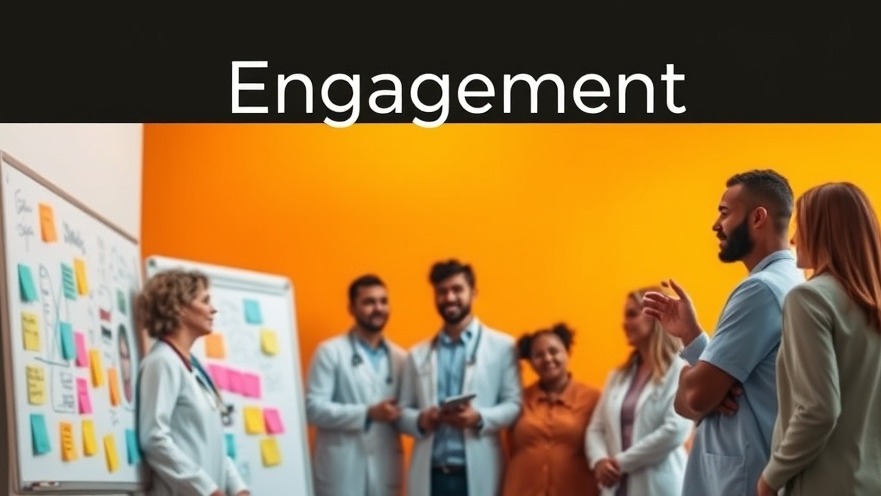
Diverse healthcare professionals collaborating on employee engagement strategies.


How Executive Collaboration Transforms Healthcare Workforce Engagement

In the ever-evolving landscape of healthcare, the engagement of frontline workers has never been more crucial. This was the focus of an insightful discussion hosted by Laudio during a recent webinar, where leaders from the nursing and HR sectors of two prominent health systems shared strategies for enhancing workforce engagement and retention. The conversation centered around collaborative efforts that empower frontline leaders to connect with their teams meaningfully.

The Importance of a Unified Approach

Panelists from Nebraska Medicine and North Mississippi Health Services underscored how essential it is for recruitment, retention, and overall engagement metrics to transcend the boundaries of HR. Indeed, these metrics have become integral across various C-suite positions, highlighting the collective responsibility to foster a thriving workforce. Initiatives designed to improve retention, such as check-ins for new hires over their first 90 days, involve HR leaders, nursing officers, and managers, creating a collaborative culture that influences the entire organization.

Listening as a Tool for Empowerment

One of the most compelling insights shared was the necessity of actively listening to frontline teams. Leaders at Nebraska Medicine have prioritized this through structured feedback mechanisms, enabling them to identify the workforce priorities that truly matter. According to Katie Beach, vice president of people operations at Nebraska Medicine, “Identifying priorities based on listening to our front-line leaders and teams, establishing shared goals, and creating cross-functional accountability to deliver those results was critical to our success.” This approach has proven invaluable in nurturing an environment where clinicians can thrive.

Enhancing Patient Experience Through Nurse Leader Engagement

A key takeaway from the webinar was how nurse leaders are vital in shaping patient experiences. At Nebraska Medicine, the practice of nurse leader rounds facilitates important conversations about patient feedback, encouraging proactive improvements. The technology provided by Laudio enables nurse leaders to document insights, fostering a culture of shared learning across the organization. According to Kelly Vaughn, chief nursing officer, the platform ultimately empowers frontline teams to elevate their performance through data-driven insights, helping to spot both high-performance areas and potential for improvement.

Engaging Insight for Healthcare Professionals

Knowing and applying the right employee health benefits and patient engagement tools can significantly uplift workforce performance. The integration of healthcare automation and innovative solutions like voice AI agents and missed call automation allows providers not only to streamline operations but also to enhance patient interactions. These technologies can also bolster medical staff retention by providing support resources that cater to both their needs and those of the patients they serve.

Future Trends in Workforce Engagement

As the healthcare sector continues to face challenges, engaging frontline workers will become increasingly crucial. Collaboration among different departments, especially between HR and nursing, will prove to be a vital strategy for navigating these changes. Moreover, as telehealth and AI-driven solutions gain traction, integrating them into everyday workflows will create opportunities for improving practice efficiency and patient care. Organizations that embrace this culture of collaboration are likely to emerge stronger and more resilient in the face of adversity.

Creating a Collaborative Culture

For healthcare providers keen on improving engagement and operational efficiency, the insights from this webinar serve as a powerful reminder of the importance of collaboration. By fostering connections among HR and nursing leaders, as exemplified at Nebraska Medicine and North Mississippi Health Services, organizations can not only retain their talented workforce but also enhance overall patient satisfaction.

In a world where healthcare demands are increasing and patient needs are evolving, the role of effective communication and collaboration remains paramount. Embracing strategies that support frontline leaders can lead to substantial improvements in employee engagement, benefitting both staff and patients alike. Are you ready to take action in your organization?


Provider Spotlights

9 Views

0 Comments

Write A Comment

*
*
Please complete the captcha to submit your comment.
Related Posts All Posts
05.23.2026

Understanding the Increased Stroke Risk From Migraine With Aura

Update The Surprising Link Between Migraines and Stroke Risk A recent study has uncovered a troubling connection between migraines, particularly those accompanied by visual disturbances known as aura, and an increased risk of ischemic strokes in middle-aged and older adults. Published in Neurology, the research from the University of Vermont shows that individuals experiencing migraines with aura are 73% more likely to suffer from ischemic strokes compared to those without migraines. This startling statistic highlights the importance of recognizing and managing this form of migraine, especially in men under 72 years old, wherein the stroke risk is amplified even further. Understanding Migraine with Aura Migraine with aura is characterized by visual or sensory symptoms such as flashes of light, blind spots, or tingling sensations prior to the migraine headache. While this type of migraine accounts for less than 20% of all migraine cases, its implications are significant. The current study, which tracked over 11,000 individuals for six years, revealed that while overall migraine can increase stroke risk, the presence of aura makes that risk markedly higher. The Impacts of Age and Gender Interestingly, this connection appears more pronounced in men under 72 years of age, who face a more than threefold increase in stroke risk from migraines, regardless of aura status. These findings diverge from prior research indicating that stroke risks in younger individuals typically skew towards females. Medical professionals are urged to contemplate these emerging patterns to tailor preventative measures effectively. Previous Research and Context The notion that migraines could connect with stroke risk is not new. Previous studies, including meta-analyses, have established that migraineurs generally exhibit a twofold higher risk for ischemic strokes, with aura-bearing migraines showing even greater potential for cardiovascular complications. According to a review presented at the American Stroke Association, patients with migraines with aura have an increased likelihood of both cardio-embolic and thrombotic ischemic strokes, while this risk is less significant for those without aura, emphasizing the need for ongoing studies in this area. Cognitive Implications and Patient Management As more patients reconvene with healthcare providers for regular check-ups or to address newer health concerns, it is essential that they discuss any history of migraines with aura. Given the significant correlation with higher stroke risk, healthcare providers might want to implement more rigorous stroke risk assessments for these patients. Moreover, as treatment for migraines can involve medications that interact with cardiovascular health, nuanced clinical judgment is necessary when considering therapeutic strategies. Future Directions in Research The study authors have called for additional research to better elucidate the mechanisms connecting migraine with aura and subsequent ischemic stroke. Understanding the biological pathways involved and potential risk modifiers could lead to enhanced stroke prevention strategies, particularly for at-risk populations. As migraine remains an underdiagnosed condition, clinicians must be vigilant in identifying high-risk individuals and initiating appropriate prophylactic interventions. A Call for Increased Awareness The findings of this recent research serve as an important reminder of the complex and often underestimated relationship between migraines and stroke risk. For healthcare practitioners, enhancing awareness of this connection can lead to better patient education and informed discussions surrounding management plans. Ultimately, recognizing the signs and taking preventive measures could save lives. As this field of research evolves, staying abreast of the latest developments is imperative. For those engaging in healthcare practice, consider integrating migraine assessments into routine evaluations, and encourage patients to be proactive about reporting neurological symptoms.

05.22.2026

Protecting Healthcare: The Critical Need for Better Identity Management in Digital Health

Update Understanding the Underestimated Cybersecurity Threat in Digital Health The digital health revolution has made tremendous strides. From telemedicine to patient monitoring, healthcare providers are adopting technology like never before. However, Ryan Cameron, executive vice president and chief information and innovation officer at Children’s Nebraska, warns that the biggest threat may not be what many are focused on. According to him, identity management is the crucial aspect that needs immediate attention if we want digital health to flourish. Why Identity Management Should Top Your Priority List Cameron emphasizes that developing robust identity management frameworks must be a priority for all healthcare providers. Instead of continuously adding layers of security, which are not as effective anymore, he believes it's essential to find innovative ways to design our systems with resilience as the goal. This approach is particularly vital in pediatric care, where Children’s Nebraska is launching various digital health initiatives, such as expanding their school-based telehealth program from eight to thirty schools. Without secure identity management, these advancements are at risk. The Double-Edged Sword of AI in Cybersecurity As new AI technologies emerge, they offer significant advantages for cybersecurity. Tools designed to detect software vulnerabilities are becoming increasingly sophisticated, successfully finding weaknesses at an impressive rate of 83%. However, as Cameron points out, the very same technologies can be weaponized by malicious actors to exploit those vulnerabilities. For example, AI systems like Anthropic’s Mythos and OpenAI’s Daybreak are changing the cybersecurity landscape, making it a double-edged sword. If misused, these tools could lead to disastrous breaches affecting patient trust and safety. The Urgency of Adapting to the Changing Cybersecurity Landscape The healthcare industry must adapt to this fast-changing landscape before it's too late. Cameron highlights a need for healthcare leaders to engage in deep discussions about how to construct secure infrastructures. As technology continues to evolve, so too do the tactics of cybercriminals. The shift from perimeter defenses to designing resilient systems is essential. This change ensures that even if a breach occurs through a compromised credential, the damage will be contained. The Broader Implications for Patient Trust Cameron connects the conversation about cybersecurity to public trust in AI and data ownership. He notes that even recent graduates have been vocal in their disapproval of AI during graduation ceremonies, hinting at a growing skepticism regarding technology's role in healthcare. This highlights a concern — if patients do not trust how their data is managed or the technology used to treat them, the adoption of digital health practices could stall, affecting everything from telehealth revenue to patient engagement tools. Making Informed Decisions in This Digital Age For independent physicians, nurse practitioners, and healthcare providers, understanding the risks and nuances of cybersecurity is not just beneficial; it's vital for sustained practice growth. Knowledge of identity management can help inform decisions about the technologies you integrate into your practice. As the industry leans more towards automation, knowing about healthcare automation tools, missed call automation, and practice efficiency solutions can streamline operations while safeguarding patient information. Additionally, as you consider integrating remote therapeutic monitoring (RTM) programs or employee health benefits into your practice, ensure that the systems you implement are built on secure foundations. Cybersecurity should inform every step in your decision-making process, from telehealth platforms to employee onboarding tools. Taking Action to Protect Your Practice In conclusion, as the digital health landscape advances rapidly, so too must your approach to identity management and cybersecurity. The implications for practice revenue optimization, clinic cost savings, and pharmacy profitability are immense. You can foster trust with your patients by ensuring their data is managed securely while also navigating the complexities of Medicare reimbursement. Take proactive measures to educate yourself on this critical aspect of healthcare technology. The future of your practice may well depend on it. Don’t wait until a breach happens; empower yourself with knowledge and take the necessary steps to secure your practice today.

05.22.2026

How AI is Set to Revolutionize Healthcare and Break Scarcity Models

Update Breaking the Jar: Embracing Change in Healthcare Imagine feeling like a flea trapped in a jar: you try to jump out, but a barrier keeps you from achieving your goal. This metaphor is much like the frustrations experienced by many healthcare professionals today. Creative solutions generated by clinicians often go unheard simply because the system lacks the means to implement them effectively. However, the advent of artificial intelligence (AI) promises to shatter that glass ceiling of scarcity, presenting an exciting frontier for healthcare innovation. The Scarcity Model and AI's Transformative Potential Traditionally, the healthcare system has been plagued by limitations of time, workforce, and capacity. This scarcity model means clinicians have to make difficult choices daily about prioritizing care among patients. Yet, with the introduction of AI, a fundamental shift is underway. AI acts as a catalyst to boost productivity by enabling providers to do more with less. Already, AI is reshaping the healthcare landscape: it streamlines appointment scheduling, enhances documentation accuracy, identifies critical health trends early, and even engages patients proactively through AI phone agents. These start as incremental improvements but can actually redesign workflows entirely, moving healthcare toward a model that recognizes abundance in care delivery. Real-World Success: University Hospitals’ Innovative Approach A prime example of AI's transformative capabilities can be seen at University Hospitals. By developing use cases that focus on patient access, the organization has initiated projects aimed at streamlining the medication fulfillment process, thereby increasing the likelihood that patients will complete their prescriptions. Notably, brainstorming sessions at UH have highlighted numerous opportunities that could lead to $100 million in cost savings or new revenue streams. Through forward-thinking strategies and a willingness to embrace technology, UH has identified 40 potential projects, aiming to impact patient care positively while optimizing operational efficiency. Turning Potential into Reality: The Role of Culture Despite the advancements that AI brings, technology alone will not elevate healthcare practices. At its core, it is the culture within organizations that fosters growth. Building a workplace where employees believe their input can yield meaningful change is essential. For healthcare entities to thrive, they must encourage an environment that pairs AI capabilities with a mindset of continuous improvement. The integration of AI tools that assist with employee onboarding, enhance staff retention through better workload management, and ensure compliance with healthcare regulations are crucial. This shift can empower independent providers and small practices to remain competitive, particularly in light of rapid developments within technology and care delivery. Preparing for the Future: What Lies Ahead? As AI continues to evolve, it carries with it predictions of a more equitable healthcare landscape. The looming presence of competitors from other sectors, ready to offer optimized decision-making capabilities, serves as an urgent reminder for healthcare providers to move quickly. If they don’t accelerate adoption, they risk becoming less relevant as larger entities industrialize the intelligence of healthcare. Optimizing practice revenue through AI-driven insights not only enhances operational efficiency but also directly impacts the quality of patient care provided. This underlines the importance of adopting healthcare business tools that enable practices to thrive amid challenges posed by insurers and technology companies. Taking Action: The Time to Embrace Change is Now Healthcare professionals are at a critical juncture. By adopting AI and advocating for a culture that embraces change, they can not only escape the jar of limited possibilities but also transform the healthcare experience for all stakeholders involved. As dedicated caregivers, embracing technological advancements and harnessing innovation will be key to improving patient outcomes and facilitating long-term sustainability in practices. Independent healthcare providers should not hesitate to explore AI implementation in their practices. Investing in AI can guide them towards growth, enhance patient engagement, and ensure better compliance, leading ultimately to improved health outcomes. As we look to the future, the operational potential unlocked through AI is poised to define the next chapter of healthcare. The call to action is clear: engage with these advancements head on and build the future of healthcare together!

Terms of Service

Privacy Policy

Core Modal Title

Sorry, no results found

You Might Find These Articles Interesting

T
Please Check Your Email
We Will Be Following Up Shortly
*
*
*