
Add Row
Add Element
cropper
update

Provider Impact

update
Add Element
  • Home
  • Categories
    • Medicare + RTM
    • Pharmacy Insights
    • Provider Spotlights
    • HR & Staff Benefits
  • Featured Business Profiles
November 01.2025
3 Minutes Read

Unearth Spine-Chilling True Stories From the Workplace This Halloween

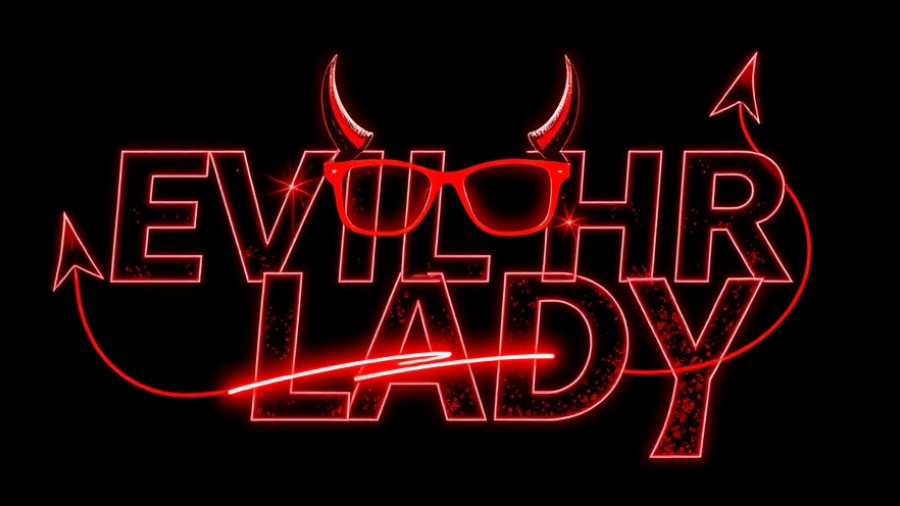
Evil HR Lady illustration with devil horns and tail, scary workplace true stories.

Halloween in the Workplace: A Spooktacular Exploration

As Halloween approaches, the atmosphere becomes charged with excitement—and a hint of fear—for HR professionals. This season can lead to some of the most remarkable tales that straddle the line between intrigue and horror within the workplace. From mind-boggling costume choices to genuinely eerie experiences, the stories shared by HR professionals can provoke laughs as well as chills. Here, we explore some of the scariest true office tales that leave everyone wondering what truly lurks behind the cubicles.

Beware of the Grabby Ghost

One memorable story comes from Robin Schooling, who recounted the peculiar case of an employee's abrupt resignation. “What happened? We haven’t seen you in four days,” asked the manager. To this, the employee replied, “I was working Thursday night and saw a ghost in the kitchen. It grabbed my ankle. I can’t come back.” This bizarre anecdote not only illustrates one of the most authentic fears people face at work but also raises questions about how HR should address the merging of the supernatural with employee attendance.

The Haunted Bathroom Experience

Imagine working in an office that was formerly a hospital. An anonymous HR professional shared their unsettling experiences while using the bathroom. Employees would often hear footsteps leading to the sink, with the motion sensor paper towel dispenser activating seemingly on its own. CCTV footage revealed ghostly figures wandering the hallways, sparking a blend of intrigue and apprehension among staff. This story underscores how workplace culture can intertwine with local history in unexpected ways, potentially impacting employee engagement.

The Curse of the Desk

A strange chair claimed to have fired whoever sat at it in the office of HR consultant Stacy Dennis. This 'cursed desk' highlights an unusual lesson in workplace culture and myth-making. The lore surrounding it could become a bonding experience for employees, emphasizing the importance of having engaging narratives within HR practices to combat traditional workplace rigidity.

Costumes Gone Wrong

Another testament to the horror of misunderstood costumes stems from the aerospace industry. Chris Hogg shared a humorous yet horrifying incident involving an engineer dressed in a full gorilla suit who startled a secretary. The reminder here for HR professionals lies in ensuring that policies clearly define acceptable Halloween costumes to avoid embarrassing and potentially traumatic incidents which may detract from employee morale and engagement.

The Puppy Ghost

In healthcare, particularly skilled nursing facilities, the supernatural takes on a gentler form with stories about a “puppy ghost” that roams the halls to comfort patients. HR consultant Katie Tanner notes that this phenomenon manifests in patients claiming to hear barking or feeling “licks” from an unseen canine presence. Such narratives can foster a compassionate workplace culture and emphasize the role of HR in harnessing these stories to promote staff wellness programs.

Lessons on Workplace Policies

The bonds forged through these ghostly tales can bridge cultural gaps within the organization. HR professionals must ensure that workplace policies evolve to acknowledge such experiences while fostering an inclusive environment. Clearly outlining guidelines regarding costumes and behavior during festivities can help prevent negative situations from arising while still allowing employees to express themselves creatively.

Engaging Employees Through Storytelling

Utilizing storytelling as a tool within HR allows managers to connect on a human level with staff, promoting engagement and loyalty—a vital component for retention strategies. Not only can these Halloween anecdotes spark laughter, but they can also inspire more meaningful conversations about workplace culture. One way to integrate this would be by hosting storytelling sessions where employees can share their own experiences in a safe space.

Moving Forward: HR Insights from Scary Tales

In conclusion, these nine stories don’t just serve to entertain; they provide significant lessons on HR compliance, workplace culture, and employee engagement. By recognizing these unique experiences and ensuring policies accommodate creative expressions—and safeguarding against potential hazards—HR professionals can foster a more cohesive, supportive environment. Happy Halloween!

At the end of the day, it is vital for HR teams to embrace these stories and use insights gained from them to support a harmonious workplace culture. Incorporating enjoyable elements into work life can ultimately lead to improved employee satisfaction and retention.

HR & Staff Benefits

2 Views

0 Comments

Write A Comment

*
*
Related Posts All Posts
12.16.2025

Why Recognizing Hanukkah as Its Own Holiday Matters in HR Culture

Update Understanding Hanukkah Beyond the SurfaceAs winter approaches and the festive spirit fills the air, many workplaces begin to decorate for what they term the "holiday season." For some, this means Christmas trees and Santa Claus motifs, with little room for understanding the significance of other cultural celebrations. While Christmas is prominently featured, a critical aspect of inclusivity is recognizing that Hanukkah, celebrated by Jewish communities from December 14 to December 22 in 2025, is distinctly different from Christmas.Hanukkah, also known as the Festival of Lights, commemorates a pivotal moment in Jewish history—the triumph of the Maccabees over King Antiochus and the miracle of the oil lamp that lasted eight days despite only containing enough fuel for one. This rich history makes it essential for employers to foster an environment that acknowledges and respects this holiday.Why Mislabeling Hanukkah Can Hurt Workplace CultureLabeling Hanukkah merely as the “Jewish Christmas” fundamentally undermines the holiday’s unique cultural significance and can lead to misunderstandings among employees. When companies merge or overshadow Hanukkah's traditions within their predominantly Christmas-themed celebrations, Jewish employees may feel marginalized, unrecognized, or even pressured to conform. Creating a workplace culture that actively respects and acknowledges different heritages reflects on employee morale, engagement, and retention. This concern isn't just about semantics; it ties directly into broader HR compliance strategies aimed at fostering an inclusive workplace culture. Failure to recognize the distinct significance of holidays can lead to potential workplace disputes, impacting not just individual faith practices but overall employee satisfaction.Incorporating Hanukkah in the Workplace: Best PracticesTo promote inclusivity, it is vital for HR directors and managers to develop strategies that recognize and value diverse celebrations within the workplace. Here are some actionable insights:Education and Awareness: Providing workshops or seminars about different cultural practices and holidays can promote understanding. Encourage managers to learn and communicate about the significance of Hanukkah and other cultural events.Diverse Holiday Celebrations: Instead of organizing generic holiday parties or events that center on Christmas, consider hosting a multicultural celebration that invites employees to share their traditions and foods. This not only fosters inclusivity but enriches the workplace culture.Respect for Observances: Be mindful of scheduling important meetings or events around significant holidays. Offering flexible work arrangements during holiday seasons can show understanding and respect for diverse observances.Open Dialogue: Create channels for employees to express their preferences for holiday celebrations. Surveys can provide insights into how your workforce wants to celebrate, ensuring no one feels left out.Going Beyond Compliance: Building a Respectful WorkplaceIn today’s globalized world, businesses are increasingly held accountable for fostering inclusive environments. This means ensuring HR compliance is intertwined with genuine efforts to celebrate diversity. Being respectful toward diverse cultural practices goes beyond legal requirements; it improves employee retention rates and enhances workplace morale.Employers looking to optimize health benefits and increase employee engagement should recognize the importance of inclusivity. When employees feel valued and respected, it directly impacts their productivity and loyalty, ultimately benefiting the employer.Conclusion: Cultivating a Cultural AwarenessRecognizing Hanukkah as its own festival only enhances workplace culture and dignity for all employees. In embracing diversity, organizations can build stronger teams, foster innovation, and cultivate loyalty while avoiding workplace conflicts associated with cultural insensitivity. Understanding how to appropriately celebrate Hanukkah, alongside other holidays, can be the linchpin for an inclusive workplace strategy. Want to learn more about fostering workplace inclusivity and developing cost-saving HR strategies? Reach out to explore how your organization can enhance its cultural awareness and employee relations.

12.16.2025

IndusInd Bank's Clawback Endeavor: A Game Changer in Executive Compensation

Update IndusInd Bank's Bold Move to Reclaim Executive Bonuses In a significant development in Indian banking, IndusInd Bank has initiated the process to reclaim bonuses from its former top executives, including ex-CEO Sumant Kathpalia, following alarming findings of accounting discrepancies. The bank's decision to claw back these bonuses, which are believed to amount to substantial figures, is rooted in an effort to reinforce accountability and integrity in its operations. Why Clawbacks Matter in Compensation Strategy This action is not just about reclaiming money; it underscores a growing trend in corporate governance. The Reserve Bank of India (RBI) has emphasized the importance of clawback provisions in employee contracts to mitigate the risk of misconduct. As HR professionals and compensation specialists know well, incorporating these strategies into compensation frameworks can enhance employee accountability and contribute to a healthier corporate environment. Studies suggest that companies implementing clawbacks outperform their peers in both ethical standards and financial stability. Impact of Leadership Accountability on Employee Engagement While this move raises pressing questions about accountability at the executive level, it also casts a spotlight on employee engagement. When leadership demonstrates a commitment to transparency and ethical conduct, it fosters a culture of trust throughout the organization. Employees are more likely to feel valued and connected to the company's mission when they see their leaders held accountable for their actions. Clawback provisions can play a vital role in nurturing this culture, paving the way for heightened employee satisfaction and retention. Diving Into the Details: The Financial Implications The financial implications of these clawbacks are considerable. The reported loss of approximately ₹2,000 crore (around $230 million) due to accounting errors in derivative trades has prompted IndusInd Bank to reassess its compensation strategy. Former executives reportedly received hefty bonuses – Kathpalia, for instance, had a variable pay of ₹6 crore in FY23. Understanding how these monetary decisions affect both the bank and its stakeholders can provide valuable lessons in effective financial governance and employee remuneration practices. Understanding the Regulatory Landscape: RBI Guidelines Regulatory frameworks play a pivotal role in shaping how banks manage executive compensation. Since the introduction of clawback mechanisms by the RBI in 2019, it's important for HR professionals to stay informed about the regulatory landscape. These guidelines ensure that companies are equipped to take decisive action in cases of misconduct, thereby promoting a responsible and sustainable business model. As organizations evolve, staying compliant with such regulations will only grow in importance. Future Predictions: The Evolution of Compensation Practices in Indian Banks As clawback measures become more mainstream, we can anticipate a shift in how compensation is structured across the banking sector. Future trends may include an increase in transparent reporting practices, aligned with governance excellence. For HR and compliance officers, this evolution might necessitate revisiting traditional compensation packages to incorporate these regulatory requirements effectively. Rethinking Human Capital Management Strategies For professionals in HR and talent management, the developments at IndusInd Bank highlight the integral relationship between compensation, compliance, and company culture. Strategies that ensure robust governance, along with employee engagement and retention initiatives, will be paramount. Employers must proactively refine their compensation strategies to address risks of misconduct while maintaining attractive remuneration conditions for staff. As we observe these unfolding changes at IndusInd Bank, it is crucial for HR professionals to take lessons from these events and consider how similar strategies can be applied within their organizations. Understanding the implications of accountability measures can lead to stronger, more resilient corporate cultures.

12.12.2025

Clarifying Your Take-Home Salary Under New Labour Codes: What You Should Know

Update Understanding the Impact of New Labour Codes on Salaries The recent introduction of new labour codes has sparked widespread concern among employees about potential reductions in their take-home salaries. However, the Labour Ministry has clarified these fears, assuring most employees that their paychecks will remain stable, provided their Employee Provident Fund (EPF) contributions stay within the statutory ceiling of Rs 15,000. This cap on mandatory contributions has been a crucial aspect of the labour reform, ensuring that notable changes in salary structure do not automatically translate into lesser in-hand income. The Mechanics of Salary Calculations Under New Codes It's essential to grasp how salaries are computed to understand the implications of the new labour codes. The Labour Ministry outlined that the EPF deductions will continue to apply to a maximum of Rs 15,000 unless employers and employees mutually decide to increase their contributions. For instance, an employee earning a total monthly salary of Rs 60,000—with Rs 20,000 as basic pay and Rs 40,000 as allowances—will see no change in their take-home pay under both the existing and new regulations. With EPF contributions capped at Rs 1,800 per month (12% of Rs 15,000), the final take-home amount remains at Rs 56,400. Are Employees Really at Risk of Lower Take-Home Pay? While the Labour Ministry’s reassurance alleviates immediate concerns, it's crucial to recognize that certain factors may still affect an employee's net salary negatively. If an individual’s revised salary increases beyond their previous basic pay and pushes the necessity for higher EPF contributions, their in-hand salary could shrink. This scenario primarily applies to individuals earning below the ceiling of Rs 15,000; however, those above will likely remain unaffected unless they opt for voluntary higher deductions. Benefits and Challenges of the New Wage Structure The shift in the wage structure intends to promote consistency in how salaries are defined and processed across sectors. By enforcing that basic pay and related components constitute at least 50% of total compensation, the government aims for a more transparent and uniform approach. This reform could counter past practices where companies artificially lowered basic salaries to minimize contributions towards social security benefits like pensions and gratuity. However, the challenge lies in ensuring adequate communication and understanding within organizations, avoiding misinterpretations that can lead to employee dissatisfaction. Employers must guide their employees through these changes, clarifying that while the definitions of wages may change, the direct effects on take-home pay will not be felt uniformly. Future Predictions: How Will These Changes Shape Employment? As organizations adapt to the new labour codes, we may witness a gradual evolution in compensation strategies. Employers will likely start aligning wage structures not just for compliance but also for competitive advantage, optimizing compensation packages to attract and retain top talent. This strategic emphasis could lead to a more engaged workforce, ultimately benefiting both employees and employers. Final Thought: Making Informed Choices In conclusion, while the introduction of new labour codes stirred concerns over potential salary impacts, the Labour Ministry's clarifications provide a clear framework for understanding how these regulations affect take-home pay. Employers and employees should collaborate to navigate this change, ensuring that both parties are informed and aligned on salaries and contributions. As we look to the future, embracing these new regulations will pave the way for greater employee benefits and enhanced workplace stability.

Terms of Service

Privacy Policy

Core Modal Title

Sorry, no results found

You Might Find These Articles Interesting

T
Please Check Your Email
We Will Be Following Up Shortly
*
*
*