
Add Row
Add Element
cropper
update

Provider Impact

update
Add Element
  • Home
  • Categories
    • Medicare + RTM
    • Pharmacy Insights
    • Provider Spotlights
    • HR & Staff Benefits
  • Featured Business Profiles
June 04.2025
3 Minutes Read

Merck's $3 Billion Offer for MoonLake: A Game Changer for Biotech Investments

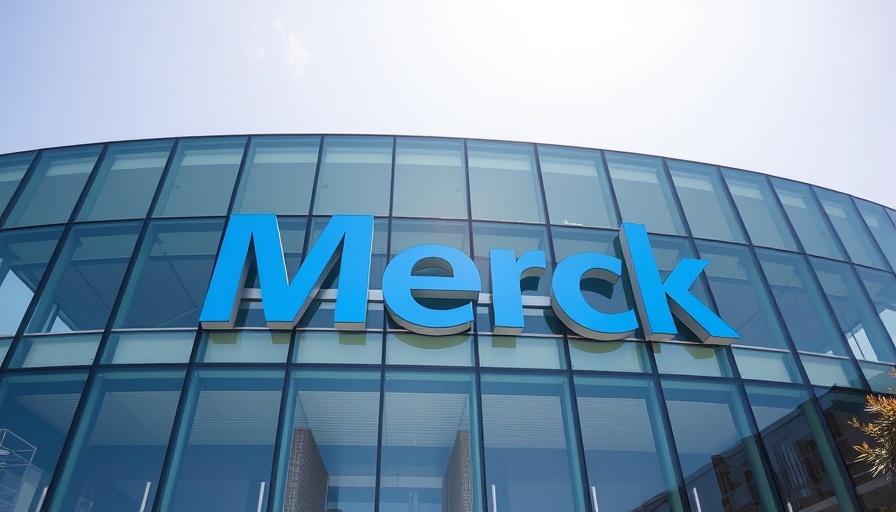
Merck Offer for MoonLake: Merck logo on building facade.

Merck's Bold $3 Billion Move: What It Means for Biotech

On June 3, 2025, Merck announced an eye-popping offer of over $3 billion for biotech startup MoonLake, a development that could signal a resurgence in interest for late-phase biotech enterprises. Amid a landscape shaped by tight budgets and heightened competition, this acquisition taps into a burgeoning demand for innovative solutions in the pharmaceutical landscape, showcasing Merck's confidence in MoonLake’s potential.

Reviving Interest in Late-Phase Biotech

The late-stage biotech sector has undergone a substantial transformation recently. Following a series of innovations and breakthroughs in medication, there is a palpable desire among pharmaceutical sales teams to explore new frontiers for revenue generation. Merck’s offer could be a linchpin in this trend, as it emphasizes the critical nature of innovation for legacy pharmaceutical companies grappling with patent cliffs and generic competition.

Financial Insights on Biotech M&A Trends

Merck's foray into the biotech landscape is not merely an isolated event; it reflects broader trends in the industry where established pharma firms increasingly turn to acquisitions to build out portfolios. With recent reports indicating a surge of biotech venture funding, estimated at tens of billions in 2024, this news could spur more mergers and acquisitions as companies seek to rapidly expand their capabilities and market share. This trend highlights the competitive pressure to innovate in a rapidly evolving drug market.

Strategic Importance for Pharma Marketers

For pharmaceutical marketers, Merck’s acquisition decision underscores the necessity of agility in marketing strategies. Adaptation to emerging biotech trends will require innovative consumer engagement tactics and an understanding of how to position new drugs in a crowded marketplace. With more companies exploring specialty medications, the means of communicating value propositions have never been more critical.

Key Takeaways for Professionals in the Biotech Industry

The ramifications of Merck’s acquisition extend beyond mere financial metrics; they carry strategic significance for those operating within the pharmaceuticals sector. Here are several insights:

  • Evaluate Market Developments: Professionals should remain attuned to evolving pharma news and business models, particularly moments that indicate shifting priorities in R&D investments.
  • Enhance Collaboration: The potential for productive partnerships in the biotech realm may increase. Connections that prioritize shared insights and resources will likely underpin future successes.
  • Focus on Patient-Centric Approaches: As the market emphasizes specialty medications, patient engagement strategies will be vital for driving prescription fulfillment and ensuring adherence.

Future of Biotech: Predictions and Opportunities

The landscape for the biotech industry is shifting perceptibly, especially amidst Merck's groundbreaking move. This acquisition may signal the start of a new trend in how biopharma companies approach innovation. Industry experts predict that we will witness an uptick in biotech collaborations and knowledge-sharing that could unlock the development of life-changing therapeutics.

Conclusion: A Call to Action for Innovation

As pharmaceutical sales reps and industry leaders, the time is ripe for re-evaluating your strategies in light of Merck’s bold initiative. Engage in discussions about how innovations can enhance pharma marketing strategies and consider actionable insights that can help navigate this new biotech landscape. Your insights and adaptability could shape the future of this industry as it evolves.

Pharmacy Insights

9 Views

0 Comments

Write A Comment

*
*
Related Posts All Posts
12.15.2025

Why Pharma Websites Are So Bad: A Call for Digital Transformation

Update Why Pharma Websites Are Falling Short: A Critical Look In an era where information is just a click away, pharmaceutical companies often lag behind in delivering effective and engaging online experiences. While industries like retail have set high standards for user experience, many pharma product websites remain cumbersome and uninviting. This can lead to substantial missed opportunities—both in terms of patient engagement and brand reputation. The Challenge of User Experience in Pharma Research highlights that a pharmaceutical website only has about 10 seconds to capture a user’s attention before they decide to leave. However, many pharma websites fail to meet basic user experience standards. Time-pressed healthcare professionals (HCPs) and anxious patients alike are often met with cluttered interfaces, excessive jargon, and a lack of tailored content that fails to meet their distinct needs. The Importance of User-Centric Design Crafting an optimal user experience (UX) for pharma websites entails understanding that each visitor—whether a patient, caregiver, or healthcare professional—has different needs. For instance, HCPs may require quick access to clinical data and drug guidelines, while patients tend to seek clear, accessible information regarding their medications. By implementing segmented websites for different user groups, brands can create a more personalized experience. GSK offers an excellent example with microsites tailored to specific regions and healthcare professionals' needs—demonstrating that addressing user expectations clearly can significantly enhance engagement and promote trust in the brand. Best Practices for Pharma Websites To improve the user experience of pharma websites, several best practices should be adopted: Clear Navigation: Easy-to-navigate websites help users quickly find the information they need. A simplified navigation structure can drastically improve user satisfaction and reduce bounce rates. Quality Content: Pharma websites should deliver high-quality, relevant content that is straightforward and jargon-free. Intertwining patient stories with educational material helps make the content relatable and trustworthy. Visual Appeal: Aesthetically pleasing layouts contribute to user engagement. Employing colors, visual cues, and rich media can facilitate engagement while conveying critical information effectively. Emotional Impact of Effective Websites The emotional state of users should also be considered. Patients navigating through difficult health conditions come with anxiety and stress, while HCPs may feel overwhelmed by information overload. A clean, user-friendly website can alleviate some of these pressures, making important information more accessible. As mentioned in the studies by Anna Abramishvili and others, a website that optimizes UX is not a luxury; it’s an essential strategy for pharmaceutical brands aiming to broaden their market access and improve patient outcomes. Leveraging User Analytics for Continuous Improvement Tracking user behaviors using analytics tools can provide valuable insights into how users interact with the website. Understanding unique visitor pathways and identifying sticking points allow brands to refine their UX continually. Mouseflow’s studies show a vast gap between perceived user experience (80% claim to offer superior experiences) and actual user satisfaction (only 8% agree). Closing this gap requires proactive measures based on real user feedback. Future Directions: Adapting to User Needs As the digital landscape evolves, pharma companies must innovate and adapt their online strategies. User expectations will only continue to grow, with the emphasis on personalized, simple, and educational content being paramount. Future pharma sites may also incorporate AI features that recommend specific content based on a visitor's previous searches and interactions. Conclusion: A Call to Action To compete effectively in the digital market, pharmaceutical companies need to prioritize user experience now more than ever. Addressing the shortcomings of existing pharma websites could lead to improved patient engagement and a better understanding of their products, significantly impacting overall healthcare outcomes. Companies should act swiftly to bring their web presence in line with user expectations and market best practices.

12.14.2025

The Rising Concern Over Black Box Warnings on COVID-19 Vaccines

Update Understanding the Black Box Warning on COVID-19 Vaccines As the landscape of COVID-19 vaccination continues to evolve, a significant shift is on the horizon. The U.S. Food and Drug Administration (FDA) plans to implement black box warnings for COVID-19 vaccines, the most severe warning label that can be affixed to a medication. This development is a response to rising scrutiny over vaccine safety as well as ongoing discussions within the healthcare community about the risks and benefits associated with these vaccines. The Impact of Black Box Warnings Black box warnings serve as an alert to healthcare professionals and patients regarding serious risks associated with a particular medical product. For instance, similar warnings are commonly seen with opioid medications due to the dangers of addiction and overdose. While designed to inform, these warnings can also cause hesitance among patients and may lead to decreased vaccination rates. The FDA's decision to introduce black box warnings stems partly from claims made by key health officials alleging that certain fatalities, including those in the pediatric population, could be linked to vaccines. These assertions, however, have sparked significant backlash from healthcare experts who emphasize the overwhelming benefits of vaccination compared to the minimal risks. According to CDC data, vaccinated individuals remain far less susceptible to severe COVID-19 illness compared to those who are unvaccinated. Why Vaccine Uptake is Declining Current statistics reveal a troubling trend; the uptake of COVID-19 vaccinations has already dropped by 27% since 2024, raising alarm bells among public health officials. The introduction of any serious warning, such as a black box label, could further erode public confidence. Trust in recommended vaccinations is crucial, particularly given that vaccines have played a pivotal role in mitigating the virus’s impacts globally. Perspectives from the Pharmaceutical Community The introduction of black box warnings also warrants attention from pharmaceutical sales representatives and marketers who must navigate the changing landscape. As trust diminishes, understanding the implications for the pharmaceutical sales trends becomes vital. Pharma executives need to reevaluate their marketing strategies in light of new public sentiment surrounding vaccinations. Healthcare marketing managers are urged to adapt their outreach to include transparent communication about vaccine safety and efficacy. This could involve enhancing educational campaigns, leveraging digital platforms, and highlighting real-world data that supports vaccination benefits while thoughtfully addressing emerging concerns. Strategic Implications for Biotech and Pharma For those operating within the biotech sector, particularly those involved with COVID-19 vaccines such as Pfizer, Moderna, and Novavax, the implications of rapidly shifting perceptions are profound. Companies must remain vigilant regarding their product strategies and be prepared to adapt their messaging to ensure they maintain a positive public image. The potential impact of black box warnings must be viewed as a component of larger drug commercialization efforts. Confronting Counterarguments Critics of the proposed warnings argue that linking deaths to vaccinations without substantive evidence could mislead the public. This assertion underscores the importance of ongoing expert analysis and public health communication, as misinformation could exacerbate vaccine hesitancy. The challenge for the FDA involves balancing the reporting of adverse events with the established safety profile of the vaccines. Public health advocates call for more nuanced discussions that address both risks and benefits in a factual manner, thereby empowering patients to make well-informed decisions about their health. Looking Ahead The implications of introducing black box warnings on COVID-19 vaccines present an ongoing dialogue in the realm of healthcare and pharmaceutical marketing. As the FDA solidifies its plans, stakeholders — from marketing teams to pharmaceutical executives — must prepare for potential shifts in public perception. Building trust through education and transparent communication will be essential as the industry navigates this complex landscape. In this constantly evolving environment, pharmaceutical companies must remain agile, continuously updating their strategies to align with emerging data and public sentiment. As we await further guidance from the FDA, it is critical for professionals within the pharma sphere to strategize effectively. For those in the pharmaceutical market, staying informed and engaged with the latest updates on vaccine safety and public health strategies will be crucial to sustaining market viability and trust. To stay ahead in the rapidly changing pharma landscape, connect with industry updates and refine your approach to navigational challenges that arise with evolving public health policies.

12.12.2025

The Complex Need-Hate Relationship Between Americans and Big Pharma

Update Understanding America's Complex Relationship with Big Pharma In the intricate landscape of healthcare, Americans navigate a complicated "need-hate" relationship with the pharmaceutical industry. On one side, Pharmas are seen as the architects of life-saving medications; on the other, they are perceived as profit-driven entities prioritizing earnings over patient welfare. This growing discontent is fueled primarily by skyrocketing drug prices and recent public health crises, such as the opioid epidemic. The Decline of Trust in Big Pharma Recent data reveals that 58% of Americans express negative opinions about the pharmaceutical industry, a sentiment that has deepened over time. A poll conducted by Gallup illustrates this sentiment, indicating a concerning trend where public trust has reached historic lows. High-profile lobbying efforts and substantial campaign contributions from pharma CEOs aiming to influence healthcare policy have only exacerbated public cynicism. What Contributes to the Unfavorable Perception? Factors contributing to this negative perception include: High Drug Prices: Many Americans struggle with the affordability of prescribed medications, contributing to a growing call for drug pricing reforms. The Opioid Crisis: The industry's role in the opioid epidemic has had severe public health implications, painting a picture of negligence and corporate irresponsibility. Political Influence: The perception that Big Pharma wields disproportionate influence in Washington has fueled distrust, as evidenced by their lobbying practices aimed at blocking necessary reforms. Changing Public Sentiment Across Political Lines The divide along political lines has created an even more profound complexity in public opinions about the pharmaceutical industry. Historically, Republicans had a more positive view of Big Pharma, particularly during the COVID-19 pandemic when they celebrated rapid vaccine development efforts. However, a significant shift occurred recently, with only 13% of Republicans now holding a favorable opinion. This decline has coincided with rising skepticism about drug prices and the safety of pharmaceutical solutions. The Role of Social Media and Public Discourse In today’s digital age, social media platforms have become battlegrounds for public sentiments about Big Pharma. The rapid dissemination of information—both accurate and misleading—has exacerbated the already fragile trust between the public and pharmaceutical companies. This dynamic emphasizes the necessity for companies to adopt transparent communication strategies that resonate with diverse audiences, including the younger, tech-savvy populace. Future Predictions: Can Trust Be Restored? As we look ahead, it becomes increasingly crucial for pharmaceutical companies to rethink their approaches to brand management if they intend to regain public trust. This entails being more transparent about drug development processes, pricing strategies, and demonstrating a genuine commitment to patient welfare. Implementing consumer-focused initiatives, such as medication awareness campaigns, could help in mending this fractured relationship and bridging the trust gap. Actionable Insights for Pharmaceutical Stakeholders For industry professionals and decision-makers, understanding the nuances of public opinion is vital. Here are some valuable insights to guide future engagement: Embrace transparency to build consumer trust—regular share insights on drug pricing and accessibility. Develop empathetic marketing strategies that prioritize patient needs and health outcomes. Leverage data analytics to tailor communications and address public concerns effectively. A Call to Engage Constructively As the pharmaceutical landscape evolves, so does the critical need for industry stakeholders to engage with the public constructively. By adopting transparent practices and investing in genuine patient engagement strategies, there is potential to shift sentiments and foster a more positive relationship with the broader community.

Terms of Service

Privacy Policy

Core Modal Title

Sorry, no results found

You Might Find These Articles Interesting

T
Please Check Your Email
We Will Be Following Up Shortly
*
*
*