
Add Row
Add Element
cropper
update

Provider Impact

update
Add Element
  • Home
  • Categories
    • Medicare + RTM
    • Pharmacy Insights
    • Provider Spotlights
    • HR & Staff Benefits
  • Featured Business Profiles
May 27.2025
3 Minutes Read

Eli Lilly's Game-Changing Acquisition to Boost Pain Pipeline: Insights You Need

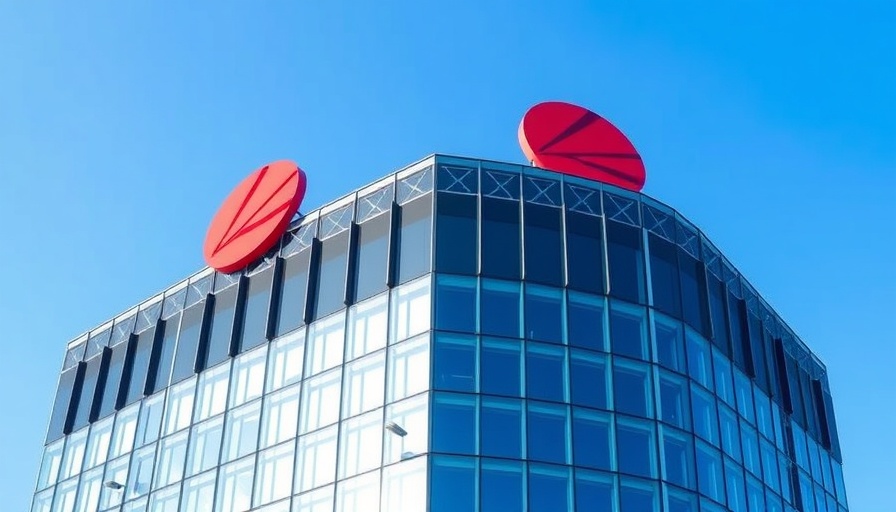
Modern glass building with red logo, Eli Lilly expansion SiteOne Therapeutics.

Eli Lilly's Strategic Expansion in Pain Management

On May 27, 2025, Eli Lilly announced a bold move to enhance its pain management offerings with the acquisition of SiteOne Therapeutics, a biotech firm specializing in innovative therapeutics for pain relief. This strategic acquisition is part of Lilly's broader initiative to address pain management effectively, an area that has seen increased demand amid rising patient needs and opioid crisis concerns.

The Opportunity in Pain Management

As the pain management landscape evolves, conventional methods are often met with scrutiny and challenges. Specialty drugs, especially those developed through innovative platforms like SiteOne's, offer new hope for patients suffering from chronic pain. Lilly's acquisition signals a commitment to delivering safer and more effective therapies, exemplifying the industry's shift towards specialty medications. According to recent pharma sales trends, specialty pharmacies are projected to grow significantly, reflecting an increasing reliance on targeted therapies to meet patient expectations.

Simplifying Complex Business Models

The acquisition of SiteOne Therapeutics exemplifies a trend where larger pharma companies are integrating biotech innovation into their operations. This is crucial as the competition intensifies in the pharmaceutical landscape. Eli Lilly's move aligns with the reported changes in prevailing biotech business models, where collaborations between established pharma players and smaller biotech firms are becoming more commonplace. This trend not only fuels innovation but also enhances the capabilities of pharmaceutical companies in tackling intricate healthcare needs.

Implications for Drug Launch Initiatives

Eli Lilly’s investment in SiteOne Therapeutics will significantly influence its upcoming drug launch strategies. With new therapies in its pipeline, the company is poised to provide enhanced options to healthcare providers and patients alike. This acquisition also emphasizes shifts in pharma marketing strategies, where clinical evidence and patient outcomes play pivotal roles in new product positioning on formularies. The successful launch of these products will depend heavily on robust marketing initiatives that align with current healthcare expectations.

Future Trends in Pain Management

Looking forward, the integration of SiteOne’s technologies is likely to unveil novel therapeutic approaches that could redefine pain management protocols beyond mere symptom relief. With a heightened focus on personalized medicine, Eli Lilly must ensure its developments meet the evolving needs of the healthcare market. The growth of managed care insights will further inform how these new drugs are received in various therapeutic areas, impacting formulary decisions across health systems.

The Role of Pharmaceutical Recruiting

As Eli Lilly expands its capabilities, the demand for skilled professionals in pharmaceutical recruiting will rise. The merger will necessitate comprehensive hiring strategies aimed at attracting talent with expertise in specialty drug marketing and management. Companies that can effectively tap into this talent pool will have a competitive advantage, especially in navigating the complexities involved in drug commercialization and sales force management.

Conclusions and Next Steps

As Eli Lilly moves forward with the incorporation of SiteOne, the focus will likely be on clinical education platforms and patient engagement initiatives. This approach aligns with the increasing emphasis on value-based care in pharma, a strategy that prioritizes effective, accessible treatment options for patients. The implications for pharmaceutical brand management are significant, providing a pathway for enhanced therapeutic offerings tailored to address current market demands.

If you are in the healthcare industry, staying informed about these shifts is crucial. Engage with your network and share insights, as collaboration might be key in tackling the evolving challenges in drug development and commercialization.

Pharmacy Insights

15 Views

0 Comments

Write A Comment

*
*
Please complete the captcha to submit your comment.
Related Posts All Posts
02.25.2026

Unveiling Myths Surrounding GLP-1s: Insights for Pharma Professionals

Update The Truth Behind GLP-1s: Separating Fact from Fiction In recent years, GLP-1 receptor agonists have gained substantial attention in the pharmaceutical industry. These medications, primarily utilized for weight management and managing type 2 diabetes, have sparked debates within healthcare circles. Despite their proven benefits, misinformation surrounding their use and effectiveness persists, leading to confusion among patients and healthcare professionals alike. This article explores the prevailing myths regarding GLP-1s, their impact on the pharmaceutical landscape, and the pressing need for accurate information dissemination. Key Misconceptions About GLP-1s One of the most common myths circulating in pharmaceutical sales circles is that GLP-1s are a miracle solution for weight loss. While these medications do assist in weight management, they are not a standalone solution. Many patients mistakenly believe that once prescribed, they can rely solely on the drug for weight management, negating the importance of lifestyle changes and proper nutrition. As Peggy Harlow, a seasoned healthcare marketer noted in a recent discussion, 'No medication can replace the need for a balanced diet and physical activity. GLP-1s should complement a holistic health approach.' The Financial Implications on Pharma and Patients Another area clouded by misinformation pertains to drug pricing and insurance reimbursement. Given the high costs often associated with GLP-1s, patients frequently express concern over affordability. Moreover, healthcare providers voice frustration about formulary decisions that limit availability. Understanding drug pricing strategies and the dynamics of managed care is vital for both patients and pharmaceutical professionals. Successful accessibility also hinges on effective patient engagement strategies that promote awareness and understanding of these medications’ advantages and requirements. The Role of Pharma Marketing Strategies For pharmaceutical marketers, navigating conversations about GLP-1s requires transparency. Emphasizing the evidence supporting their efficacy in diabetes management is crucial. Crafting messaging that aligns with physicians' insights ensures that marketing communications resonate authentically with healthcare providers. Furthermore, leveraging digital pharma marketing helps educate all stakeholders, reinforcing the critical aspects of medication adherence and the significance of proper physician-patient dialogues. Actionable Insights for Pharmacy Leaders Pharmacy leadership must proactively combat misinformation by ensuring staff is well-educated about GLP-1s and their correct uses. Providing ongoing training and access to the latest clinical trial updates forms a robust foundation for informed discussions. Putting forth clear communication strategies within pharmacy teams enables effective outreach when it comes to discussing GLP-1s with patients. Enhancing the pharmacy marketing funnel with a focus on education may also play a significant role in improving patient understanding and adherence. Future Trends: Where Are We Headed? The future of GLP-1s seems bright amidst ongoing research and development efforts within the biotech industry. As further studies emerge, healthcare professionals can expect an even deeper understanding of these drugs' capabilities, paving the way for expanded indications and improved treatment protocols. Keeping an eye on biotech venture funding and developments in drug pipelines will provide key insights into the evolving landscape of GLP-1s. What Can You Do? As a part of the healthcare and pharmaceutical community, it’s crucial to advocate for correct information dissemination regarding GLP-1s. Upholding transparency in communications ensures that patients receive accurate information about these powerful tools in their weight management and diabetes care arsenals. Join the discussion and share insights among peers to further champion responsible education within pharmaceutical sales and healthcare marketing.

02.24.2026

Record $54 Billion Profits: What It Means For Health Insurance and Pharma

Explore the implications of health insurance profits on the pharmaceutical industry, including pricing strategies and market access.

02.23.2026

GLP-1s Expanding Use: From Disease Management to Aesthetic Medicine

Explore GLP-1s in aesthetic medicine, uncovering pharmaceutical sales trends and market insights.

Terms of Service

Privacy Policy

Core Modal Title

Sorry, no results found

You Might Find These Articles Interesting

T
Please Check Your Email
We Will Be Following Up Shortly
*
*
*