
Add Row
Add Element
cropper
update

Provider Impact

update
Add Element
  • Home
  • Categories
    • Medicare + RTM
    • Pharmacy Insights
    • Provider Spotlights
    • HR & Staff Benefits
  • Featured Business Profiles
June 28.2025
3 Minutes Read

Decoding ITC Chairman's Salary: Trends in Executive Compensation

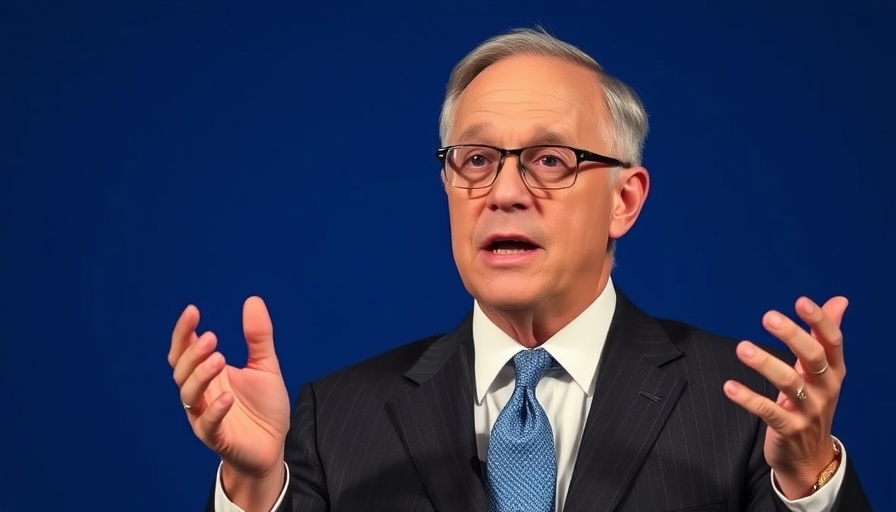
Distinguished man in suit giving a speech, professional setting

The Evolution of ITC Chairman's Compensation

The recent financial reports from ITC Ltd have drawn attention to the fascinating dynamics of executive compensation. After a remarkable 54% salary increase in FY24, the remuneration of chairman Sanjiv Puri remained relatively unchanged in FY25, totaling ₹25.6 crore. This moment illustrates not only the fluctuations in executive pay but also the strategic compensation strategies companies employ to balance performance incentives with market realities.

Understanding the Salary Structure

In FY25, Puri's basic salary was ₹3.5 crore, with additional perquisites amounting to ₹73 lakh and a performance incentive totaling ₹21.4 crore. This slight increase in total remuneration, from ₹25.2 crore in FY24, raises critical questions about the effectiveness of performance-based pay. In FY24, Puri's salary consisted of a basic pay of ₹3.1 crore, ₹57 lakh in perks, and a performance bonus of ₹21.5 crore, underscoring how the variation in performance incentives can significantly impact total earnings.

Analyzing ITC's Performance Metrics

The context of this flat salary follows a report of ITC’s earnings that showed a modest growth of 0.8% in profit after tax during the final quarter of FY25, indicating a net profit of ₹19,562 crore, including discontinued operations. As companies like ITC navigate the complexities of market demands, salary adjustments often reflect not only company performance but a broader strategy in the competitive marketplace.

Strategic Salary Management Trends

Salary structure changes often lead HR and payroll professionals to engage in a detailed examination of compounding factors. In ITC's case, the bulk of Puri's increase in FY24 stemmed from long-term incentives from past years, highlighting how effective talent management strategies and employee retention techniques are intensified during peak performance years.

Future Compensation Practices in FMCG Firms

The financials reflect broader trends that could shape how FMCG companies like ITC handle compensation moving forward. As the market evolves and companies continue launching innovative products—over 100 new items launched in the last fiscal year alone—executive compensation strategies may increasingly become tied to wider success metrics beyond immediate fiscal health, centering more on long-term vision and sustainability.

Implications for HR Professionals

This case study serves as a prime example for HR professionals, particularly in the realms of compensation benchmarking and payroll compliance. Understanding shifts in remuneration, including the balance between fixed salaries and performance incentives, can enhance benefits administration and drive employee engagement. Moreover, keeping abreast of changes in compensation strategies can guide HR technology consultants in providing thoughtful insights into payroll automation and HRIS integration.

Key Takeaways for Businesses

As companies continue to fine-tune their compensation strategies, HR teams are tasked with ensuring alignment between employee satisfaction and company objectives. By leveraging workforce analytics and adopting best practices, organizations can create effective employee retention strategies while enhancing overall work culture. Keeping employees engaged through transparent communication around remuneration will ultimately lead to higher productivity and satisfaction.

The latest updates on ITC's salary trends highlight a broader narrative about the evolving landscape of executive compensation—a crucial conversation for HR professionals looking to modernize their approaches to payroll management and benefits administration. To stay ahead, HR specialists must not only monitor these changes but also implement data-informed strategies that foster a robust workplace culture.

HR & Staff Benefits

8 Views

0 Comments

Write A Comment

*
*
Please complete the captcha to submit your comment.
Related Posts All Posts
02.25.2026

Navigating AI Integration in HR: Your Essential Policy Guide

Discover the essentials of AI policy development in HR, including compliance training, ethical guidelines, and workplace law insights.

02.23.2026

Little Known Yet Powerful Employee Benefits: HiLITE Group's Rs 20 Crore Car Gift

Update Hello, and Welcome to the Next Era of Employee Benefits In a stunning move that underscores the growing importance of employee engagement and satisfaction in the corporate world, HiLITE Group, a Kozhikode-based real estate conglomerate, has made headlines by gifting 47 luxury cars to its employees, valued at Rs 20 crore. This initiative not only celebrates their 30-year anniversary but also sets a remarkable precedent for employee benefits and corporate culture. Understanding the Gesture: The Heart of Employee Engagement HiLITE's decision to gift luxury vehicles such as Range Rovers and Audis reflects a growing trend among companies to recognize and reward employee loyalty and hard work. It serves as a strong reminder that, in an era where employee dissatisfaction can lead to high turnover rates, investing in a workforce can yield substantial returns. Employee engagement is crucial; studies show that engaged employees are 17% more productive, and organizations with higher employee satisfaction often outperform competitors. Expanding Opportunities: A Step Towards Local Development Beyond the car gifts, HiLITE Group's plans for a vast 50 million Sq Ft expansion across Kerala demonstrate a commitment to regional growth and job creation. The undertaking is projected to provide over two lakh jobs, enhancing the employment landscape in Kerala significantly. This ambitious initiative not only portrays a forward-looking strategy for real estate development but also paves the way for an enhanced quality of life for locals through improved economic prospects. Shaping the Future: Vision for Employee-Centric Corporate Culture This initiative resonates strongly in today’s corporate environment where companies strive to create aspirational workplace cultures. P. Sulaiman, the chairman of HiLITE, stated, “Our vision is to create aspirational spaces that stand the test of time.” This quote encapsulates the brand's ethos—building a future where employees feel valued, ultimately translating into higher levels of commitment and productivity. Benchmarking Employee Benefits: Lessons for Other Organizations The generous gesture by HiLITE serves as a powerful case study for other organizations looking to enhance their employee benefit programs. With competitive compensation and innovative benefits being essential for attracting top talent, companies must assess how they can tangibly reward their employees. Whether through tailored benefits packages or luxury rewards like those offered by HiLITE, the focus should rest on fostering a culture of appreciation and recognition. Inspiring Best Practices: Strategies for Employee Retention HiLITE's strategy can inspire other organizations to rethink their approaches to employee retention. Implementing best practices such as transparent communication, tailored employee benefits, and a clear pathway for career advancement could significantly strengthen employee loyalty. Integrating workforce analytics into HR strategies—monitoring employee satisfaction metrics and optimizing compensation strategies—may also enhance effectiveness. Engagement Through Innovation: The Role of HR Technology In the modern workplace, leveraging HR technology solutions for benefits administration and payroll compliance has never been more critical. By employing advanced HR software solutions, companies can streamline payroll processes, ensure compliance, and enhance the overall employee experience. Automation will help in effectively addressing the increasingly complex landscape of employee benefits, making it a seamless experience for both HR teams and employees. Conclusion: A Roadmap for Future Success As HiLITE Group embarks on this exciting journey of expansion and employee appreciation, it sets a shining example for the industry, advocating that investing in employees ultimately pays dividends. For HR professionals and business leaders to cultivate a successful organizational culture, it is crucial to keep employee engagement at the forefront of their strategic initiatives. Those looking to foster an enviable workplace must also consider the inspiring story of HiLITE Group as a model of excellence in employee benefits. So, how can your organization implement similar strategies for a more engaged workforce? The time to act is now—start by assessing your employee engagement metrics and innovate to create an environment where employees feel valued and appreciated.

02.21.2026

Can You Truly Avoid Burnout for $500 a Month? Exploring the Costs of Mental Health Support

Update Understanding Burnout: Beyond the NumbersBurnout is a growing concern in today’s fast-paced work environment, especially for leaders who bear the weight of decision-making while managing their teams. The rise of mental health awareness has brought this issue to the forefront, prompting individuals and organizations alike to seek solutions. However, as one CEO suggests spending $500 a month on various services to avoid burnout, it opens up a wider conversation about the accessibility of mental health resources and the narratives surrounding stress management.Breaking Down the CEO's Approach to Burnout PreventionThis CEO claims to avert burnout through a mix of personal therapy, couples therapy, and a fitness trainer, along with a business coach and a support group. His statement, although intriguing, raises eyebrows regarding practicality, particularly for small business owners or HR professionals who might not have the same financial flexibility. It's important to examine whether such high costs reflect a feasible burnout strategy for everyone or simply highlight a gap between the corporate elite and the average employee.The True Costs of Mental Health SupportIt’s essential to recognize that mental health support is crucial yet often underfunded in many organizations. While companies may offer Employee Assistance Programs (EAPs) or subsidized counseling, the cost associated with comprehensive mental health management can be a barrier for smaller entities. The financial burden may prevent companies from investing sufficiently in health benefits optimization that address potential burnout amongst employees. As HR professionals, it’s vital to advocate for cost-effective solutions that promote both employee engagement and mental well-being.How to Combat Burnout Without a Hefty Price TagIt's possible to develop effective burnout solutions without spending a fortune. Implementing workplace culture initiatives, offering flexible working hours, or creating peer support groups can significantly enhance employee morale without incurring exorbitant costs. Regular check-ins and open communication foster an environment where employees feel valued and heard, contributing to retention and overall workplace satisfaction.Lessons from the CEO's Statement on Employee BenefitsThe transparency—or lack thereof—regarding how the CEO defines and measures 'success' in combating burnout remains an essential topic. It prompts a reevaluation of workplace culture and the value placed on mental health resources in employee retention strategies. Organizations should focus on creating an inclusive workplace where the discussions around mental health and burnout are normalized and where resources are available equitably across all employee levels, irrespective of their financial situation.As workplace policy updates continue to evolve, the emphasis on mental health and employee well-being will increasingly become a pillar of strategic HR planning. For HR directors and managers, reassessing current employee benefits and ensuring they are aligned with employee needs will not only support individual well-being but will also positively impact the organization’s performance.Take Action for a Healthier Work EnvironmentThe conversation surrounding burnout and mental health is pivotal in shaping a healthier future for workplaces. HR professionals must advocate for comprehensive yet accessible employee benefits that recognize the importance of mental wellness in the workplace. Remember, investing in well-being is not merely a cost but a valuable strategy that shapes a resilient workforce capable of thriving together.

Terms of Service

Privacy Policy

Core Modal Title

Sorry, no results found

You Might Find These Articles Interesting

T
Please Check Your Email
We Will Be Following Up Shortly
*
*
*