
Add Row
Add Element
cropper
update

Provider Impact

update
Add Element
  • Home
  • Categories
    • Medicare + RTM
    • Pharmacy Insights
    • Provider Spotlights
    • HR & Staff Benefits
  • Featured Business Profiles
July 14.2025
3 Minutes Read

Bariatric Surgery Insights: PCOS and Weight Loss in Teen Girls

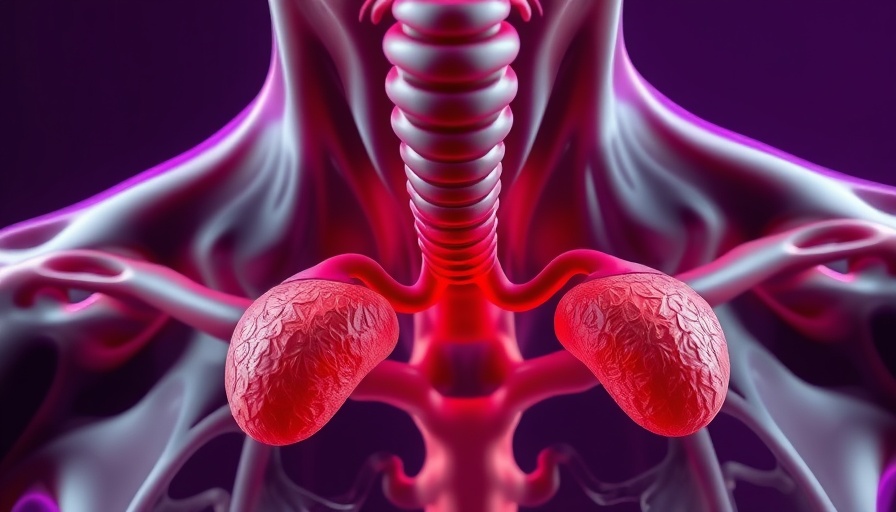
3D endocrine glands illustration highlights thyroid and adrenal anatomy.

Understanding PCOS and Its Challenges for Adolescents

Polycystic ovary syndrome (PCOS) continues to be a complex condition affecting young girls, particularly those facing obesity. A recent study at the annual ENDO 2025 meeting shed light on the outcomes of bariatric surgery for adolescents with PCOS, revealing significant insights into symptom management and weight loss. While metabolic surgery is often heralded for its weight loss benefits, its role in treating the reproductive symptoms associated with PCOS remains limited, highlighting notable differences between adults and adolescents.

Key Findings from the Recent Study

This retrospective cohort study, involving 100 adolescent girls, reported that only 11% of those with PCOS achieved complete remission of their symptoms after significant weight loss post-surgery. Dr. Meghna Gaddam, an MD candidate at Northwestern University, emphasized that while 64% of participants experienced partial symptom improvement within a year, later evaluations showed all of these girls faced recurrences of either PCOS or risk factors for the condition. Furthermore, those at risk for PCOS showed no remission a year post-surgery, underscoring the nuanced challenges faced by adolescents compared to adults.

The Hormonal Landscape: Why Adolescents Are Not Just 'Small Adults'

Dr. Gaddam points out that the hormonal dynamics in adolescents differ significantly from adults. The presence of a fully developed hypothalamic-pituitary-adrenal (HPA) axis and greater hormonal variability means that the same surgical approach that yields high remission rates in adult women may not produce the same results in younger populations. As a result, the effectiveness of metabolic surgery in resolving reproductive symptoms among teenage girls requires further investigation.

Challenges in Managing PCOS in Teens

Healthcare providers see a troubling trend: despite successful weight reduction through metabolic surgery, adolescent girls often continue to grapple with hormonal imbalances. Many remain tied to their symptoms, as evidenced by a 40% incidence of new cycle irregularities in those who previously had regular menses post-surgery. The study indicates a pressing need for comprehensive long-term support and follow-up care to effectively address these persistent issues.

Current Treatment Options: Exploring the Limitations

Given the limitations of prevailing treatments—which primarily involve diet, exercise, and medications like metformin—bariatric surgery is increasingly viewed as an option when conventional methods fail. Yet, the results from the recent study signal caution. Solutions for PCOS in adolescents are not merely tethered to weight loss but necessitate a broader understanding of metabolic health and symptom management. Efforts by practitioners must emphasize tailored interventions that account for the unique needs of young patients.

The Importance of Continued Research and Education

As we venture deeper into understanding adolescent PCOS, it's essential that ongoing research continues to explore multifaceted treatment approaches. The gap in knowledge between treatments suited for adults versus those for teenagers suggests that more investigation is needed to develop accepted clinical practice guidelines. Moreover, educational initiatives targeting healthcare providers on the long-term implications of bariatric surgery for teens are essential to maximizing community health outcomes.

Conclusion: A Path Forward for Patients and Providers

While the findings from recent research provide a clearer picture of the limitations of bariatric surgery in adolescent girls with PCOS, they also open avenues for enhanced dialogue among healthcare providers and patients. Recognizing the distinct challenges this younger demographic faces is the first step toward tailoring effective interventions. As we witness the evolving landscape of adolescent PCOS management, collaboration and continual education within the medical community will be critical.

Provider Spotlights

5 Views

0 Comments

Write A Comment

*
*
Related Posts All Posts
10.31.2025

Discovering the Future of Psoriatic Arthritis Treatment: TYK2 Blocker's Promise for Patients

Update A Clinical Breakthrough: The Future of Psoriatic Arthritis Treatment The recent findings surrounding the TYK2 inhibitor deucravacitinib (Sotyktu) signify an evolution in the management of psoriatic arthritis (PsA). Presented at the ACR 2023 conference, these results highlight the promising long-term efficacy of this oral medication, moving it closer to approval for PSa indications. Key Findings from the POETYK PsA Trials In the pivotal POETYK PsA-1 trial including 670 participants, it was observed that patients taking deucravacitinib for 52 weeks achieved a notable increase in their response rates. Initially, 54% of participants met the ACR20 response criterion at week 16, but this improved to 63.1% by week 52. When participants who initially received a placebo transitioned to deucravacitinib, their response also surged to 61%. Furthermore, the ACR50 and ACR70 response rates demonstrated particularly compelling outcomes, with increases to 41% and 25%, respectively, in the initial treatment group by week 52. Safety Profile and Regulatory Considerations Throughout the trial, safety issues remained consistent without the emergence of new concerns. Following the positive trajectory seen in the POETYK PsA-1 trial, Bristol Myers Squibb has submitted an application to the FDA, with a decision anticipated by March 2026. This progress is eagerly awaited by the medical community as it reflects a step forward in targeted treatments aimed at inflammatory skin diseases. A Deeper Dive into TYK2 Inhibition Deucravacitinib distinguishes itself from other treatment options, such as Janus kinase (JAK) inhibitors, through its unique mechanism of targeting the TYK2 enzyme. This specificity allows it to effectively modulate harmful inflammatory pathways involving several interleukins and interferon-1, which are implicated in the pathophysiology of PsA. Comparative Effectiveness in Radiographic Progression Despite the positive symptomatic responses, a significant aspect of the trials involved examining radiographic progression—a critical factor in PsA management. Previous concerns arose regarding the lack of noticeable benefits in this area, with mean Sharp-van der Heijde scores indicating increased damage. The post-hoc analysis underscored that, after transitioning from placebo to treatment, patients exhibited radiographic progression similar to those who had been on the drug from the start. Community Reactions and Future Implications The excitement surrounding deucravacitinib comes amidst broader shifts in treatment paradigms for rheumatic diseases. Healthcare professionals anticipate the integration of such targeted therapies into routine practice, allowing for more adaptable treatment options that better meet patient needs. As medications like deucravacitinib focus on precision medicine, the emphasis on tailored patient care will only intensify. Call to Action: Stay Informed and Engage with New Developments For healthcare providers, understanding these advancements and their implications is crucial for effective patient management. By following the ongoing updates in clinical research and engaging in continuing education opportunities, medical professionals can enhance their competency and care delivery. Join us in staying informed about these breakthroughs that are shaping the future of psoriatic arthritis management.

10.30.2025

New Findings on STEMI Outcomes Challenge Upfront PCI Strategies

Update Could Timing Matter in Multivessel PCI After STEMI? The recent findings from the iMODERN trial have sparked discussions about the optimal approach for treating patients suffering from ST-segment elevation myocardial infarction (STEMI) with multivessel disease. More than 1,000 patients participated in this study, which aimed to compare immediate multivessel percutaneous coronary intervention (PCI) against a deferred approach utilizing stress cardiac MRI. What emerged was surprising: both strategies yielded almost identical clinical outcomes at the three-year mark. Understanding the Implications of the iMODERN Trial The iMODERN trial revealed that there was no significant clinical advantage in treating all nonculprit lesions during the index cath lab session. The rates of primary events, including death and recurrent myocardial infarction, were nearly the same across both strategies—9.3% for the iFR (instantaneous wave-free ratio) guided approach compared to 9.8% for the deferred method. This data challenges previously held notions in cardiology. Current guidelines suggest upfront multivessel intervention based on its noninferiority to a staged revascularization. However, the iMODERN findings advocate for more flexibility; operators are now reassured that they may not need to perform everything in one session, easing the potential burden on both the medical team and the patient. Trends in Cardiac Care: A Shift to Non-Invasive Assessment As we delve deeper into the implications of these findings, it's essential to acknowledge the credibility of the techniques being used for nonculprit lesion assessment. The use of stress cardiac MRI has gained acceptance, especially in Europe, as a non-invasive and effective strategy for evaluating ischemia. Unlike invasive measures, stress CMR holds the promise of better patient care without imposing the risks associated with immediate PCI of nonculprit lesions. Dr. Carlos Collet, who engaged in a discussion during the TCT meeting, emphasized the potential of deferring management for intermediate stenoses to avoid unnecessary procedures, ushering in what might be seen as a new standard in cardiovascular care. This marks a shift towards tailored treatment plans that can significantly enhance patient safety and satisfaction. Divergent Views on Upfront Multivessel PCI While the iMODERN study advocates for a deferred PCI approach, existing literature does not uniformly agree on the complete revascularization strategy. For instance, some analyses and trials indicate that immediate multivessel PCI can lead to better outcomes in specific patient populations, particularly those without cardiogenic shock. This dual perspective underscores the complexity within cardiology treatment paradigms and highlights the necessity for individualizing patient care based on specific clinical conditions. What the Future Holds for Multivessel PCI in STEMI Cases The evolving landscape of cardiac interventions invites further exploration of treatment pathways. Upcoming trials, such as the COMPLETE-2, are expected to shed light on the efficacy of different approaches in managing nonculprit lesions. For the time being, the iMODERN results can provide clarity for healthcare providers and clinicians grappling with treatment decisions. Moreover, considering the dynamic nature of healthcare policies and practices, these results also call for a review of current guidelines. As the healthcare sector strives toward evidenced-based practice and patient-centric care, cardiologists and medical directors must stay abreast of emerging clinical evidence to optimize patient outcomes effectively. Conclusions: Shifting Perspectives in Cardiac Intervention Strategies The iMODERN trial brings forth new ideas in the management of STEMI patients with multivessel disease. By suggesting that immediate multivessel revascularization and deferred strategies yield comparable results, it paves the path towards more thoughtful and strategic approaches in cardiology. Operators are encouraged to prioritize non-invasive imaging methods and engage in shared decision-making processes with their patients, which aligns with advancing healthcare trends advocating for tailored patient care. As healthcare leaders, clinicians, and policy makers reflect on these findings, it is crucial to foster discussions that possibly revise existing practices. Staying informed and engaged with current research can empower the provider community to not only enhance treatment protocols but also reshape future healthcare strategies.

10.29.2025

Unpacking Non-Celiac Gluten Sensitivity: Why 10% of Populations Are Affected

Update Understanding Non-Celiac Gluten Sensitivity: A Rising Concern in Healthcare Non-Celiac Gluten Sensitivity (NCGS) has emerged as a significant topic within the medical community, especially as studies reveal a startling prevalence of individuals reporting symptoms linked to gluten consumption despite not having celiac disease or wheat allergy. According to a recent meta-analysis, approximately 10% of the general population self-reports symptoms suggestive of NCGS. This figure is notable as it highlights the growing prevalence of self-diagnosed gluten sensitivity. The Gender Divide: Who is Most Affected? Interestingly, the analysis reveals a pronounced gender disparity, with women being significantly more likely to report NCGS symptoms (odds ratio of 2.29). This raises critical questions regarding the social and psychological factors that might influence these reports. For instance, anxiety, depression, and conditions such as Irritable Bowel Syndrome (IBS) were found to be strongly associated with NCGS. This suggests that psychological components may play a central role in the manifestation of symptoms, challenging the conventional belief that such sensitivities arise primarily from immune responses. Global Perspectives on Prevalence The prevalence of self-reported NCGS varies significantly across different regions, with figures ranging from a mere 0.7% in Chile to as high as 36% in Saudi Arabia. In the U.S., self-reported rates hover around 5.1%. These disparities may reflect various cultural attitudes toward gluten, as well as the marketing of gluten-free products. The influence of socioeconomic factors cannot be ignored either: higher prevalence rates observed in wealthier nations may correlate with greater access to gluten-free alternatives. The Overlap with Psychological Disorders The link between NCGS and mental health issues such as anxiety and depression presents an interesting area for further research. Over 40% of individuals reporting gluten sensitivity have turned to gluten-free diets, which can inadvertently lead to nutritional deficiencies. Healthcare providers are urged to consider the mental health discourse while addressing dietary restrictions. Holistic approaches that include psychological evaluations and tailored dietary recommendations may help mitigate these adverse outcomes. Navigating Diagnosis: Challenges in Clinical Practice Diagnosing NCGS presents substantial challenges, primarily due to the absence of specific biomarkers. The diagnosis typically entails ruling out celiac disease and wheat allergy, often through rigorous double-blind placebo-controlled challenges. However, the significant incidence of nocebo effects complicates these assessments. Recognizing that over 40% of patients may experience adverse effects even when they are given a placebo presents an additional layer to clinical evaluations. The Path Towards Tailored Management Experts advocate for the need to establish symptom-based diagnostic criteria, which could pave the way toward more personalized management plans. With NCGS symptoms resembling those found in disorders of gut-brain interaction, a comprehensive approach that considers both dietary factors and psychological health is essential. Conclusion: An Increasingly Relevant Issue As NCGS continues to garner attention in clinical practice, it prompts healthcare professionals to reconsider traditional frameworks of diagnosis and management. The emerging evidence suggests a complex interplay between inflammatory responses and psychological factors, urging an integrated model for understanding and treating this condition. Properly addressing NCGS could lead to better patient outcomes, slashing unnecessary dietary restrictions that contribute to psychological burdens and economic costs for patients. For healthcare providers, staying abreast of the latest research surrounding NCGS is imperative, not only for informed patient interactions but also for the broader implications it has on nutritional health and management strategies within the practice.

Terms of Service

Privacy Policy

Core Modal Title

Sorry, no results found

You Might Find These Articles Interesting

T
Please Check Your Email
We Will Be Following Up Shortly
*
*
*